Column · @spencerxcnf298
How a Pizza Restaurant Uses Simple Recipes for Big Flavor
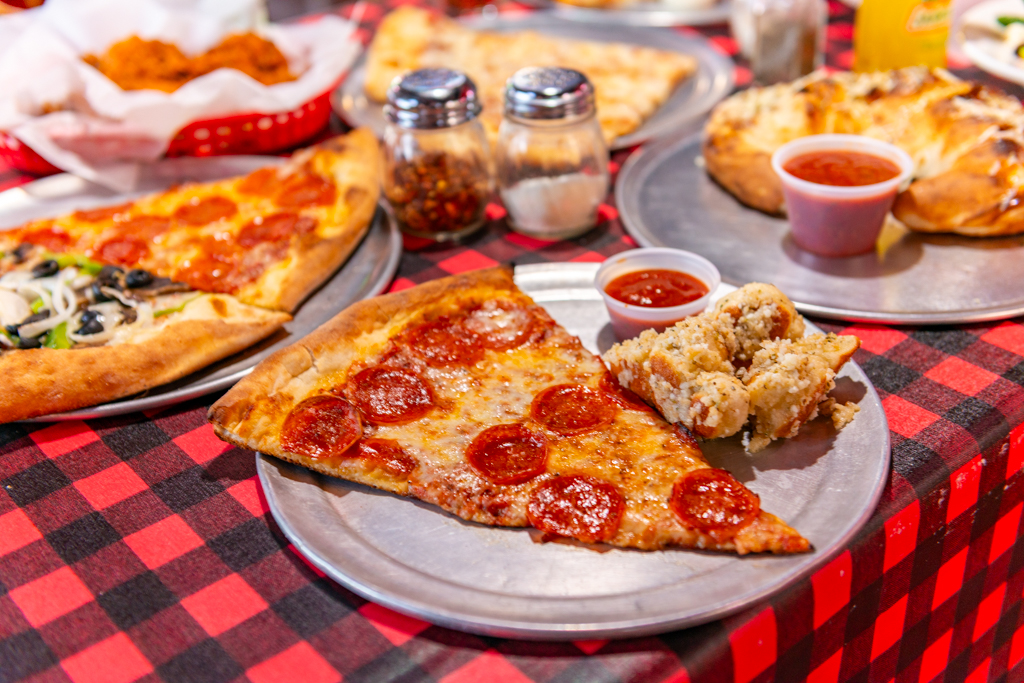


Walk into a good pizza restaurant during the dinner rush and you can usually tell, within a minute or two, whether the food will be memorable. It is not just the smell of dough hitting hot stone or steel. It is the pace of the line, the restraint at the topping station, the way sauce is spread without flooding the center, the confidence behind the oven. Big flavor in pizza rarely comes from complexity. More often, it comes from judgment.
That idea surprises people who do not spend much time around professional kitchens. They tend to assume that exceptional flavor requires secret ingredients, long shopping lists, or a dramatic trick that turns a standard pie into something special. In practice, the opposite is often true. The strongest pizza programs are built on simple recipes that are repeated with discipline and adjusted with care. A short dough formula. A sauce with very few additions. Cheese chosen for melt and balance, not novelty. Toppings used with a light hand.
Simple does not mean basic in the dismissive sense. It means clear. Every ingredient has a job, and every step serves flavor.
Why simplicity works in a pizza kitchen
Pizza is unforgiving in a useful way. It exposes excess almost immediately. Too much sugar in the sauce, and the pie tastes flat once it bakes. Too many toppings, and the crust steams instead of crisping. Too much cheese, and the slice droops under its own weight. A complicated recipe can still work, but it asks the kitchen to control more variables than necessary.
That matters in a restaurant setting because consistency is half the battle. A home cook might make great pizza one Saturday and a disappointing one the next, and no real harm is done. A pizza restaurant does not have that luxury. It might send out 100 pies on a busy night, sometimes far more, and the customer ordering at 5:30 expects the same quality as the customer ordering at 8:15.
Simple recipes create room for that consistency. When the dough formula is tight and familiar, the staff can spot a hydration issue early. When the sauce only has a few ingredients, a cook can notice if one batch tastes too acidic or too salty. When the build on each pizza is restrained, the oven team can predict how it will bake. Simplicity reduces noise, which lets skill stand out.
There is also a sensory reason simple recipes succeed. Pizza is a layered food, but it is still a single bite. Crust, sauce, cheese, and toppings must land together. If every component competes for attention, the result is muddled. The best pies taste complete, not crowded.
The dough does more than hold the toppings
If there is one place where a pizza restaurant earns its reputation, it is the dough. People often focus on toppings because they are visible, but the dough carries structure, aroma, texture, and much of the meal’s character. A simple dough recipe can deliver all of that if the process is right.
Most strong pizza doughs are built from familiar ingredients: flour, water, salt, yeast, and sometimes a small amount of oil. That is hardly revolutionary. The real difference comes from fermentation, temperature control, and handling. A dough made with only those ingredients can taste mildly sweet, slightly nutty, and deeply wheaty if it ferments long enough. It can bake up with a crisp exterior and a tender interior if the hydration suits the oven and the style.
In a professional kitchen, small decisions around dough carry outsized weight. Flour choice affects absorption and chew. Water temperature helps the mixer hit a desired final dough temperature. Salt tightens the dough and sharpens flavor. Fermentation time changes not just taste, but extensibility and color in the oven.
I have seen restaurants improve their pizza dramatically without changing much on paper. One shop reduced its dough formula by removing sweeteners and a dough conditioner that had become habitual rather than necessary. The crust immediately tasted cleaner. Browning became easier to manage because it was driven by fermentation instead of added sugar. The dough also handled better during peak service because it was not racing from underproofed to overproofed quite so quickly.
That kind of improvement is common. Simpler formulas expose whether technique is doing the work it should be doing.
Sauce should support, not dominate
A lot of pizza sauce gets overworked. It is cooked too long, seasoned too heavily, or packed with enough dried herbs to taste like pasta topping from a jar. On pizza, especially in a hot oven, that approach can flatten the freshness of the tomatoes.
Many restaurants get stronger results by doing less. Good canned tomatoes, a measured amount of salt, perhaps a touch of olive oil, maybe a little garlic depending on the style, and restraint. That is often enough. Once the pie bakes, the sauce concentrates. It picks up richness from the cheese and roasted notes from the crust. It does not need to enter the oven shouting.
The amount of sauce matters nearly as much as the recipe. Too little, and the pizza eats dry. Too much, and moisture pools in the center. One of the clearest signs of a disciplined pizza restaurant https://emilioebbl946.almoheet-travel.com/why-a-pizza-restaurant-is-perfect-for-casual-celebrations is even saucing that leaves a proper border and avoids heavy buildup. Customers may not identify the technique, but they notice the result when each slice holds its shape and still tastes juicy.
Simple sauce also gives the kitchen flexibility. If the tomatoes arrive slightly brighter one week and slightly sweeter the next, a short recipe can be adjusted quickly. A more elaborate sauce often masks those shifts until the balance is already off.
Cheese is about balance, not volume
Cheese is where many restaurants overspend, overapply, or overcomplicate. Guests tend to equate more cheese with more indulgence, so the temptation is obvious. But a pizza loaded with cheese usually loses clarity. The sauce disappears. The crust softens. Grease separates. The toppings sink into a molten blanket with no definition.
A smart pizza restaurant treats cheese as a balancing tool. Low-moisture mozzarella is popular for good reason. It melts predictably, browns well, and provides the familiar stretch people want. Fresh mozzarella can be beautiful too, but it brings extra water and needs careful draining and placement. A bit of provolone can deepen savoriness. Pecorino or parmesan can sharpen the finish. None of this requires a five-cheese blend. It requires understanding what each cheese does under heat.
There is also a practical side to simplicity here. Cheese is expensive, and it is one of the easiest ingredients to misuse. When a kitchen trains staff to apply it by feel instead of weight or clear portioning, food cost creeps up and bake quality drifts down. The pies may look generous at first glance, but the eating experience suffers. Good restaurants learn that the right amount of cheese feels slightly conservative before the pie enters the oven and exactly right once it comes out.
Toppings need restraint to make an impression
People love choice, and pizza menus often reflect that with long topping lists. There is nothing inherently wrong with variety. The problem starts when variety becomes clutter. A memorable pizza does not need eight toppings to justify its price. In fact, some of the best combinations rely on only two or three ingredients beyond the core build.
Consider sausage and onion. Or mushroom and garlic. Or pepperoni with a restrained amount of hot honey after the bake. These work because each element remains legible. You can taste the fennel and pepper in the sausage, the sweetness of cooked onion, the earthiness of mushroom, the tang of tomato underneath.
When toppings are piled high, they stop cooking properly. Watery vegetables release steam. Cured meats cup and burn unevenly. Delicate herbs blacken. The crust, especially in the center, loses its chance to dry and crisp. This is one reason simple recipes often produce bigger flavor. The oven can do its job.
A seasoned operator pays attention not just to what goes on the pizza, but when. Some ingredients belong under the cheese. Some are better on top. Some should be added after baking so their flavor stays bright. Arugula, basil, good olive oil, shaved hard cheese, and lemon-dressed greens all have more impact when they are not blasted flat in the oven.
A short menu can be a strength
There is a business lesson tied to all of this. Restaurants that chase every topping combination often create hidden problems for themselves. Inventory grows. Prep multiplies. Waste rises. Training takes longer. Ticket times slow down because cooks pause to assemble highly customized pies with ingredients scattered across the station.
A simpler menu can sharpen both flavor and operations. It allows the kitchen to buy more confidently and use ingredients across several pies without forcing repetition. It also helps customers decide faster, which matters more than many owners realize. People enjoy choice up to a point. Beyond that, they feel uncertainty.
A focused menu usually reveals a restaurant that understands its identity. Maybe it leans New York style, with a crisp foldable slice and classic toppings. Maybe it centers on wood-fired pizzas with restrained builds and blistered edges. Maybe it serves a neighborhood crowd and emphasizes familiar combinations done unusually well. Whatever the approach, simplicity makes the proposition easier to understand.
Here are a few ways a pizza restaurant uses a short recipe philosophy to its advantage:
- It repeats core ingredients across the menu, which improves freshness and reduces waste.
- It trains the staff faster because each pizza has a clear build and purpose.
- It bakes more consistently because topping loads stay within a known range.
- It protects margins without making the guest feel shortchanged.
- It gives signature items more identity because they are not buried in endless options.
None of this means a menu has to be boring. It means each pie should earn its place.
Heat, timing, and the quiet discipline of execution
Even the best recipe will fall apart in a careless bake. This is where many outside the industry underestimate the craft. Pizza can look casual from the dining room, but the line often runs on small acts of precision.
Oven temperature changes through service. A deck oven that runs beautifully at 5:00 can behave differently after hours of opening and closing. A wood-fired oven may have hot spots that shift as the fire is maintained. Dough coming from refrigeration needs time to relax, but not so much time that it weakens. Flour on the peel helps release the pie, yet too much flour burns on the floor of the oven and leaves bitterness on the crust.
Simple recipes help because they let cooks focus on execution instead of constant troubleshooting. When the dough, sauce, and cheese are familiar, the team can read the pie. They can see whether the rim is coloring too quickly, whether a topping is threatening to release too much moisture, whether a pie needs a turn or a slightly longer finish near the mouth of the oven.
One of the clearest marks of an experienced pizza maker is restraint at the launch. They do not keep fussing with the pie once it is dressed. They know when it is ready. Too much handling compresses the rim and toughens the finished crust. A simple recipe rewards confidence.
Ingredient quality matters, but not in the flashy way
Restaurants sometimes misunderstand the phrase ingredient quality. They interpret it as permission to use the most expensive product in every category. That approach can impress on paper while producing little improvement on the plate.
Real quality is contextual. The right tomato for a pizza sauce is not always the right tomato for a salad. The best mozzarella for a Neapolitan-style pie may not be the best option for a high-volume slice shop. Flour that performs beautifully in one oven and climate may create headaches in another.
A smart pizza restaurant selects ingredients for function and flavor together. It asks practical questions. How much water will this cheese release? How does this pepperoni render? Will this mushroom shrink heavily during the bake? Does this olive bring brine and bitterness in a useful proportion? These choices are less glamorous than importing specialty items for the sake of menu copy, but they lead to stronger food.
Simple recipes make those distinctions easier to notice. If a margherita has only a few moving parts, every ingredient is exposed. A dull tomato or watery cheese cannot hide. That pressure is healthy. It pushes the operation toward better buying and tighter standards.
The customer tastes confidence
There is a reason diners remember a pizza restaurant that keeps things simple and executes well. The food feels assured. Nothing on the plate seems added out of insecurity. The kitchen is not trying to distract from weak dough with overloaded toppings or compensate for bland sauce with aggressive seasoning. It trusts the structure.
Customers may describe this in plain language. They might say the crust tastes better, the pizza feels lighter, the toppings seem fresher, or the whole pie tastes more balanced. Those are all valid ways of identifying disciplined simplicity.
There is also a psychological element. A restaurant that can make a cheese pizza or a plain pepperoni truly satisfying sends a powerful signal. It suggests that the fundamentals are under control. Anyone can hide behind novelty for a little while. Very few places can make a simple pie that people crave repeatedly.
That repeat business matters more than headline-grabbing specials. Seasonal pies and limited-time combinations have their place, and they can bring welcome energy to a menu. But the restaurants that last are usually the ones people rely on for a dependable favorite.
Where simple recipes can go wrong
Simplicity is not a cure-all. It can expose weaknesses just as quickly as it reveals strengths. A short ingredient list leaves nowhere to hide if the flour is stale, the fermentation is rushed, or the sauce is unbalanced. It also demands consistency in training. The less complicated the recipe, the more important the details of execution become.
A restaurant can also mistake minimalism for discipline. A sparse pizza is not automatically a good one. Underseasoned sauce, timid cheese application, or a crust with poor fermentation will not become elegant just because the recipe is short. Big flavor from simple food requires enough intensity in the right places.
These are common trouble spots:
- Dough that is technically simple but rushed, leading to weak flavor and poor texture.
- Sauce that is too plain because it lacks salt or tomato quality, not because it is restrained.
- Topping combinations that are minimal but dull, with no contrast in fat, acid, sweetness, or heat.
- Portioning that becomes stingy rather than balanced.
- Staff who understand the recipe but not the reason behind it.
The fix is rarely to add more ingredients. It is usually to improve fermentation, seasoning, sourcing, or training.
Simple food asks for mature judgment
One lesson comes up again and again in professional kitchens: simple food is harder than it looks. When there are only a few elements on the plate, each decision matters more. That is especially true with pizza, where heat transforms every layer in a matter of minutes.
A good pizza restaurant learns to make those decisions with patience. It adjusts dough based on weather and flour behavior. It tastes every batch of sauce. It pays attention to moisture. It knows that one ounce too much on a topping-heavy pie can change the bake. It understands that the goal is not to impress the customer at first glance, but to satisfy them by the third bite and the last crust edge.
That kind of judgment is what turns simple recipes into big flavor. Not magic. Not a secret menu code. Just a series of smart, practiced choices repeated every day with care.
The beauty of pizza is that almost everyone recognizes its components, yet few fully appreciate how much craft lives inside them. Flour, tomatoes, cheese, heat. On paper, that is a short list. In the hands of a serious restaurant, it becomes something much larger. A meal with structure, aroma, contrast, and comfort. Familiar, yet specific. Simple, yet not easy.
When a pizza restaurant gets that right, the result does not feel stripped down. It feels complete.